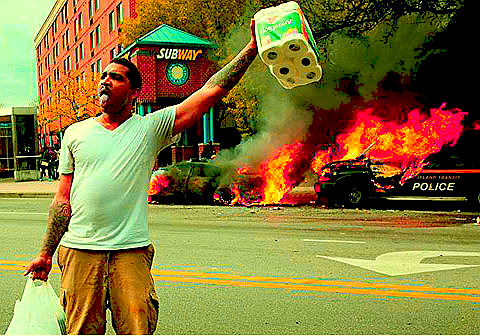
Stage 1: Overload the System
This stage is about signing up as many people as possible for government programs like welfare, food stamps, and housing assistance. The idea is to stretch these systems so thin that they can’t keep up with the demand.
In the United States, this ties back to the 1960s and 1970s when the War on Poverty programs under President Lyndon B. Johnson expanded welfare access. The number of people on public assistance grew a lot during this time. For example, the Aid to Families with Dependent Children (AFDC) program saw enrollment jump from about 3 million in 1960 to over 10 million by the mid-1970s. Community organizers, including groups inspired by Cloward and Piven, encouraged people to apply for benefits they were entitled to, which put pressure on local and state budgets. Critics argue this was the first step in overloading the system, and it’s widely seen as completed since welfare rolls did indeed swell during that era.
Stage 2: Create a Crisis
Once the system is overloaded, the next step is a visible crisis—think long wait times, denied benefits, or bankrupt local governments unable to pay for programs. This makes people frustrated and angry with the system.
By the late 1970s and into the 1980s, there were clear signs of strain. Cities like New York faced near bankruptcy in 1975, partly due to rising welfare costs alongside other economic issues. Welfare offices were overwhelmed, and there were constant complaints about inefficiency and fraud. Public opinion started turning against welfare programs, with many feeling they were unsustainable. This stage is also considered complete because the crisis became a national talking point, setting the stage for political action.
Stage 3: Mobilize the Poor and Disenfranchised
Here, the strategy calls for organizing the people affected by the crisis—those on welfare or struggling economically—to demand change through protests, activism, and voting. The goal is to make their voices loud enough that politicians can’t ignore them.
This happened through movements like the National Welfare Rights Organization (NWRO), active in the late 1960s and 1970s, which pushed for better benefits and even a guaranteed income. There were marches and sit-ins at welfare offices. While the NWRO eventually faded, the broader push for civil rights and economic justice during this period amplified the voices of the poor. Many see this stage as completed because these efforts did influence policy debates, even if they didn’t achieve all their goals.
Stage 4: Expand Government Programs
As a response to the crisis and mobilization, the government is supposed to expand programs or create new ones to address the demands, even if it means spending more money and increasing bureaucracy.
This ties to the growth of social programs in the 1960s through the 1980s. Think of things like Medicaid, food stamps (now SNAP), and housing subsidies that expanded during and after Johnson’s Great Society initiatives. Even in the 1990s and 2000s, programs grew in scope—look at the Affordable Care Act in 2010, which aimed to cover more uninsured people. Critics of the Cloward-Piven theory argue this shows the government bending to pressure by expanding its role, so this stage is often marked as done, though the debate continues on whether these expansions were enough or too much.
Stage 5: Increase Dependency
With more programs in place, more people rely on government help, creating a cycle where dependency grows. This makes it harder for individuals to get off assistance and for the government to cut back without causing a backlash.
By the 2000s, millions of Americans were on some form of public assistance. For instance, SNAP enrollment hit over 40 million by 2010 after the Great Recession, and it’s stayed high since. Critics point to stats like these to say dependency has increased, with generations sometimes staying on benefits. Others argue this is less about a sinister plan and more about economic realities like stagnant wages and job loss. Still, in the context of this strategy, many agree this stage is complete because reliance on government programs has undeniably grown over decades.
Stage 6: Bankrupt the System
The idea here is that the cost of all these programs becomes so high that the government can’t sustain them, leading to a financial crisis. This could mean massive debt, higher taxes, or cuts to other areas like defense or infrastructure.
Looking at the U.S. today (as of November 2024), the national debt is over $35 trillion, and entitlement programs like Social Security, Medicare, and Medicaid make up a huge chunk of federal spending—over 60% of the budget in recent years. Some argue this shows the system is on the brink, with warnings about Social Security running out of funds by the 2030s if nothing changes. Others say the debt is manageable with economic growth or tax reform. In the Cloward-Piven framework, this stage is often seen as complete or nearly there because the financial strain is a hot topic, even if total collapse hasn’t happened yet.
Stage 7: Implement Radical Change
The final stage is where the overloaded, bankrupt system forces a complete overhaul. Cloward and Piven originally hoped this would mean a guaranteed basic income for everyone, but critics fear it could lead to socialism or loss of individual freedoms as the government takes more control to fix the mess.
As of November 2024, this stage is not complete. There’s no universal basic income or full socialist system in the U.S. However, there have been experiments and discussions—like Andrew Yang’s 2020 presidential campaign pushing for a $1,000 monthly payment to every adult, or pilot programs in cities testing basic income. On the flip side, some policies during the COVID-19 pandemic, like stimulus checks and expanded unemployment benefits, were seen by critics as steps toward government overreach. Progress on this stage is debated: supporters of the theory say we’re inching closer with every new entitlement or debt crisis, while skeptics argue the U.S. economy and political system are too resilient for such radical change anytime soon. Since my knowledge doesn’t extend past November 2024, I can’t predict what’s next, but the conversation around income guarantees and wealth redistribution remains active.
 CONNECT/HOOK