Hard Questions

𐩣𐩧𐩨/𐩣𐩧𐩺𐩨

And there were gardens bright with sinuous rills,
Where blossomed many an incense-bearing tree . . .
Coleridge: Kubla Khan

Sheba’s wailing Queen laments for Yemen:

Her incense trees are lacerated, scarred.

Sapped for their fragrance, drained of life and marred

Their smoking blood offered up to heaven.

No sinuous rills flow forth to bless the dead;

Beneath her ruined dam no gardens grow;

And Bedouins only sing of what they know

In wastelands of the nomad past. It’s said

That all those spices, all that golden smoke

and irrigated dreams beneath the sand

were just a subtle Solomonic joke.

The yearly weight of gold, the camel-trains,

Are cryptic numbers—chanted in refrains

That only Marib’s phantoms understand.


PROMPT #4: write a poem based on an image from a dream.

Dubbed by the Queen of the South

Knights of the Greater Ithiopia / rise before Her Majesty / Enthroned in echoing sound-waves / trinity of rhythm code revealed in drumbeats mathematical precision of Truth / moving out across God’s universe / dubbed into all languages / a greater than Solomon lives and reigns / serve wisdom / plead for wisdom / dub echoes shimmer and die, rise reborn, depart for the throne / behold gnostic error / reverberations of Faith / the Dragon is slain / in every passing second…

More YABBY  YOU
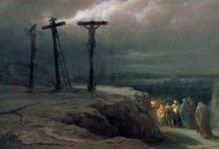
ethiopian crucifix

Queen of the South REVEALED 

Condemned by the Queen

The men of Nineveh shall rise in judgment with this generation,
and shall condemn it: because they repented at the preaching of Jonas;
and, behold, a greater than Jonas is here.

The queen of the south shall rise up in the judgment with this generation,
and shall condemn it: for she came from the uttermost parts of the earth
to hear the wisdom of Solomon; and, behold, a greater than Solomon is here.

    Gospel of Matthew 12:41-42


Poetic – but Look Out for the Cobra

       Etiopia Yemen
The kings of Tarshish and of the isles shall bring presents: 
the kings of Sheba and Seba shall offer gifts.
Yea, all kings shall fall down before him: all nations shall serve him.
For he shall deliver the needy when he crieth;
the poor also, and him that hath no helper.
He shall spare the poor and needy, and shall save the souls of the needy.
He shall redeem their soul from deceit and violence:
and precious shall their blood be in his sight.
And he shall live, and to him shall be given of the gold of Sheba:
prayer also shall be made for him continually; and daily shall he be praised.
Psalm 72 [KJV]

Archaeologists strike gold in quest to find Queen of Sheba’s wealth

An initial clue lay in a 20 ft stone stele (or slab) carved with a sun and crescent moon, the “calling card of the land of Sheba”, Schofield said. “I crawled beneath the stone – wary of a 9 ft cobra I was warned lives here – and came face to face with an inscription in Sabaean, the language that the Queen of Sheba would have spoken.”    […]

Sheba was a powerful incense-trading kingdom that prospered through trade with Jerusalem and the Roman empire. The queen is immortalised in Qur’an and the Bible, which describes her visit to Solomon “with a very great retinue, with camels bearing spices, and very much gold and precious stones … Then she gave the king 120 talents of gold, and a very great quantity of spices.”

Although little is known about her, the queen’s image inspired medieval Christian mystical works in which she embodied divine wisdom, as well as Turkish and Persian paintings, Handel’s oratorio Solomon, and Hollywood films. Her story is still told across Africa and Arabia, and the Ethiopian tales are immortalised in the holy book the Kebra Nagast.

Sean Kingsley, archaeologist and author of God’s Gold, said: “The idea that the ruins of Sheba’s empire will once more bring life to the villages around Maikado is truly poetic and appropriate. Making the past relevant to the present is exactly what archaeologists should be doing. “

from: theguardian.com