तत् त्वम् असि
for sitar, mridangam, vina, musical spoons, washboard, Jew’s harp and banjo
(the names Swami and Guru-ji can be replaced by
any other mystic names the reader wishes to substitute)
Swami and Guru-ji went to the river
to wash their souls in the dirty water
filled brass pots while they were at it, singing:
“These are Gods—
worship them, worship them,
these are Gods—
won’t you worship them please”
Guru and Swami-ji flexed contortions
twisted minds and limbs in knots
sold each other secret mantras
to erase akashic records when the body rots
Swami and Guru-ji taught disciples
how to fast and hum and chant;
bound their loins with priestly garments, saying
“These are Gods—worship them, worship them,
these are Gods—won’t you worship them please”
Guru and Swami-ji swallowed prana
purged their guts, then farted light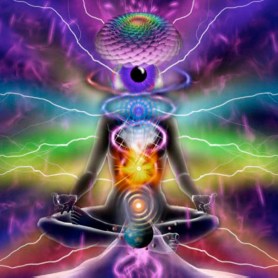
launched their chakras into oneness
in the ida and pingala of their third-eye sight
Swami and Guru-ji built a temple
around a monstrous calf of gold
bowed before the six-armed idols chanting
“These are Gods—
worship them, worship them,
these are Gods—
won’t you worship them please”
Guru and Swami-ji studied parchments
by the dim light of a feeble ray
railed and wailed at the sinful heathen
in the filthy Kali-yuga of the dying day
Swami and Guru-ji made ablutions
offered incense and holy foods
ate their share and smoked the profit, humming
“These are Gods—worship them, worship them,
these are Gods—won’t you worship them please”
Guru and Swami’s blissed devotions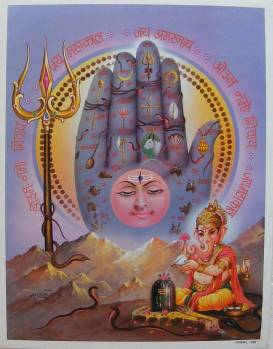
entwined their members with the temple belles;
stuck their yonis up their lingams
in the twenty-seventh circle of the seven hells.
Swami and Guru-ji offered puja
wrote it all off as a karmic debt—
forced a shudra to bear the burden, screaming
“These are Gods—
worship them, worship them,
these are Gods—
won’t you worship them please”
Guru and Swami-ji meditated:
pure omniscience in eternal now;
drank fresh urine from a heifer’s bladder
for they knew that it was soma from a holy cow.
Swami and the Guru merged with Brahman—
then went home to the wife and kids.
Told the servants to polish statues, saying
“These are Gods—worship them, worship them,
these are Gods – won’t you worship them please”

THE MORAL: slower solemn rhythm, no banjo or Jew’s harp
Aaron’s calf is ground to powder,
cast upon the Ganges’ tide.
Every tribe shall taste its poison.
“This is God—worship Him, worship Him –
this is God—let us worship Him now…”


 CONNECT/HOOK