Dylan Thomas, drunk-ass poet,
uncorked nouns, imbibed the verb;
downed six pints and thought about it
sitting unsteadily on the curb.
Winds of word unleashed in drink
filled to the full the poet’s sails . . .
although it tottered on the brink,
his drunken boat defied the gales.
Floating on wreckage to distant shores,
our boozy bard beheld the deep;
where whales spout forth their lyric stores
while the inebriate muses weep.
This postwar lush and lyrical fad,
was the biggest pint in the bar called Wales.
While not the worst, his verse was bad…
(but better after seven ales).
NOTE: I wrote this after perusing A Child’s Christmas in Wales, which was a big yawn
and, to me, embarrassingly bad poetry.
But some of Thomas’ early verse is beautiful (in the eye of this beholder).
So I ALMOST feel mean for scrawling this little ditty.
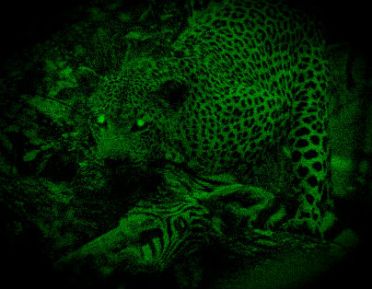
Can the Ethiopian change his skin, or the leopard his spots?
then may ye also do good, that are accustomed to do evil.
Jeremiah 13:23
We’re tired of your feline past
predatory darkness cannot last
your claw and tooth, your fangs, your youth—
they get old fast.
Your sullen, incoherent style
has grown intolerably vile.
After the kill, your prey is still
in pure denial.
Leopard-phantasms feed the flames;
the thing that spawned you whines and blames
although we could call Motherhood
by harsher names.
Jungle law enforcement should
stop crowning you with victimhood
erase your spots, connect the dots—
we wish you would.
Then lambs with lions shall rejoice
while lines with iambs raise their voice;
spotted pards play wiser cards.
(A better choice.)
The charm of criminal life, like that of savage life, consists of liberty, in hardship, in danger, and in the contempt of death: in one word, in extraordinary excitement; and he who has tasted of it, will no more return to the regular habits of life, than a man will take to water after drinking brandy, or than a wild beast will give over hunting to its prey.